When Saying Yes to a Collab Means Saying No to Yourself
The Collab Dream vs. The Collab Reality
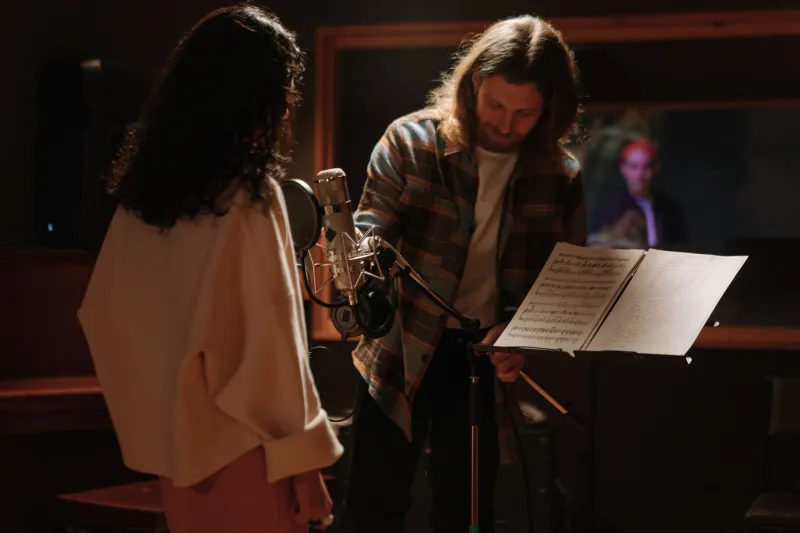
Every independent artist has felt it — that electric buzz when a bigger name slides into your DMs about working together. Maybe it's a producer you've admired for years, or a rising artist whose fanbase would love your stuff. The opportunity feels like validation, momentum, a door swinging wide open.
But here's the thing nobody talks about enough: collaboration, done wrong, can quietly hollow out the very thing that made people notice you in the first place.
This isn't a warning to stay in your lane or protect your sound like it's made of glass. It's about being intentional — because the artists who build lasting careers aren't the ones who say yes to everything. They're the ones who say yes to the right things.
What a Red Flag Actually Looks Like
Red flags in collaboration proposals rarely announce themselves. They don't show up as obvious bad deals or openly disrespectful terms. More often, they're subtle — and they tend to show up in the way someone frames the opportunity from the very beginning.
Watch out for collaborators who lead with their audience size rather than creative alignment. "My last track hit 200K streams" is a metric, not a vision. If the pitch is all numbers and no conversation about what the music will actually sound like, that's worth noticing.
Another big one: vague creative control language. When someone says "we'll figure out the details later" about who owns what, who gets final say on the mix, or how the release will be credited — that's not flexibility, that's a setup for conflict. Get specifics before you get in the studio.
And then there's the subtle pressure to "adjust your style" to fit theirs. Compromise is part of any collaboration, sure. But if someone's asking you to sound less like yourself before you've even made anything together, ask yourself what they're actually collaborating with.
The Deals That Protect Your Sound
Structuring a collaboration agreement doesn't have to mean hiring an entertainment lawyer for every feature (though for bigger deals, that's genuinely worth it). Even informal arrangements benefit from clarity on a few key points.
Creative direction: Who has final say on the finished product? If you're a featured artist, do you get approval on how your vocals are used? If you're remixing someone's track, what are the boundaries on how far you can take it?
Ownership and splits: This applies to both master recordings and publishing. Even a 50/50 split needs to be documented. Handshake deals feel fine until a song blows up and suddenly everyone remembers it differently.
Release timeline and exclusivity: Are you locked out of releasing your own music while this collab is pending? That can quietly stall your momentum for months.
Branding and promotion: How will each artist's name appear? Who controls the rollout? A collaboration where your name is buried in the description isn't really a collaboration — it's a feature with extra steps.
Real Patterns: When Collabs Elevate vs. When They Dilute
You don't have to look hard to find examples of collaborations that made both artists bigger. Think about the way unexpected genre crossovers — country artists teaming with hip-hop producers, indie singers collaborating with electronic composers — have introduced each artist to audiences they'd never have reached alone, while somehow making both sound more like themselves, not less.
The common thread in those wins? Both artists brought something distinct, and the collaboration was designed to let those distinct elements coexist rather than blend into a generic middle.
On the flip side, there's a pattern you'll recognize if you've followed enough independent careers: the artist who starts collaborating heavily with a more commercially successful partner and, over the course of a year or two, gradually loses the sonic identity that made their early work compelling. The audience who found them first drifts away. The new audience, borrowed from the partner, never fully commits. It's a slow fade that's hard to diagnose while it's happening.
The difference isn't the collaborator's fame level. It's whether the deal was built around creative exchange or creative absorption.
A Practical Framework for Saying No Gracefully
Turning down a collaboration — especially from someone with more clout — feels risky. But the way you say no matters as much as the fact that you said it.
Be honest about alignment, not availability. "I don't think our sounds are in the right place to make something we'd both be proud of" lands better than a vague excuse. It's also true, and people respect that.
Leave the door open if you mean it. "I'd love to revisit this when I've got a clearer sense of where my next project is going" is a genuine response, not a brush-off — if you actually mean it.
And if you're on the fence? Propose a lower-stakes version first. A remix exchange, a co-written track that neither of you is obligated to release, a session that's explicitly exploratory. You learn a lot about how someone collaborates before you're locked into anything.
Your Sound Is the Asset
At the end of the day, your artistic identity isn't just an aesthetic preference — it's the thing your audience came for, and the thing that will sustain your career long after any single collab has faded. Protecting it isn't being precious or difficult. It's being strategic.
The best collaborations feel like addition, not compromise. When you find those, say yes without hesitation. When something feels like it's asking you to shrink — even politely, even with a great-looking opportunity attached — trust that feeling.
Your sound took years to develop. It deserves at least a second look before you hand any part of it over.