Sound Without Borders: How Today's Independent Artists Are Writing the New Rules of Genre
The Walls Came Down (And Nobody's Rebuilding Them)
For decades, the music industry ran on boxes. You were country, or you were R&B, or you were indie rock. Radio stations had formats. Record stores had aisles. And artists who dared to color outside the lines often found themselves without a home.
That era is over.
In 2024, the most exciting thing happening in music isn't a new sound — it's the collapse of the idea that sounds need to stay separate at all. Independent artists especially are leading this charge, and the results are some of the most genuinely thrilling music in recent memory. Whether you're catching a set at a small Brooklyn venue or scrolling through a Spotify algorithmic playlist at 2 a.m., you're probably already hearing it, even if you can't quite name what you're listening to.
That's kind of the whole point.
What "Genre-Fluid" Actually Means in Practice
Let's be honest — "genre-blending" has been a buzzword for a while. But what's different now is the intentionality behind it. Artists aren't just throwing influences at the wall anymore. They're making deliberate, strategic creative decisions about how to weave sounds together in ways that feel cohesive rather than chaotic.
Take someone like Arlo Parks — she came up labeled as indie pop, but her music pulls heavily from jazz phrasing, soul vocal traditions, and confessional folk storytelling. Or look at what artists in the hyperpop space have done with electronic production and emo lyricism. These aren't accidents. These are artists who grew up consuming everything simultaneously through streaming, and their music reflects that.
The key difference between a successful pivot and a confusing mess usually comes down to one thing: emotional continuity. The artists who are doing this well aren't abandoning who they are — they're expanding the vocabulary they use to express it.
Case Study: The Slow Burn Pivot
One of the more fascinating patterns emerging is what you might call the "slow burn pivot" — artists who shift their sound gradually across releases rather than dropping a dramatic reinvention album all at once.
This approach has real strategic logic behind it. Audiences are loyal to feeling, not format. If you bring your listeners along with you on the journey — giving them one unfamiliar element at a time — they tend to stay. It's when artists make a sudden, unexplained left turn that they risk losing their core fanbase before gaining a new one.
An emerging artist named Maiya Sykes offers a useful example of this in action. Starting out with neo-soul influenced bedroom recordings that built a modest but devoted following, she's spent the last two years gradually incorporating Afrobeats rhythms and ambient electronic textures into her work. Each single nudged the sound slightly further. By the time her latest EP dropped with a fully realized hybrid sound, her existing fans didn't feel alienated — they felt like they'd been part of the evolution.
That's not an accident. That's craft.
The Business Side of Breaking Boundaries
Here's something the artistic conversation often skips over: pivoting your sound has real business implications, and the artists who navigate it successfully tend to think about both sides of that equation.
The good news for independents is that the algorithmic landscape actually rewards genre fluidity in ways the old radio system never could. Spotify's recommendation engine, TikTok's For You page, and YouTube's suggested content all work off listener behavior rather than format categories. An artist who genuinely appeals to fans of multiple genres can show up in multiple algorithmic pipelines — which is a massive distribution advantage.
The challenge is playlist placement and press coverage, both of which still tend to operate with genre expectations. A publicist pitching a country-leaning artist to country outlets needs a clear hook. When an artist defies easy categorization, that pitch gets harder.
The workaround that's working for a lot of independents? Leaning into the story of the pivot itself as the hook. The narrative of an artist evolving, taking risks, and refusing to be boxed in is genuinely compelling — and music journalists, especially in the US indie press, tend to respond well to it.
What the Tech Makes Possible
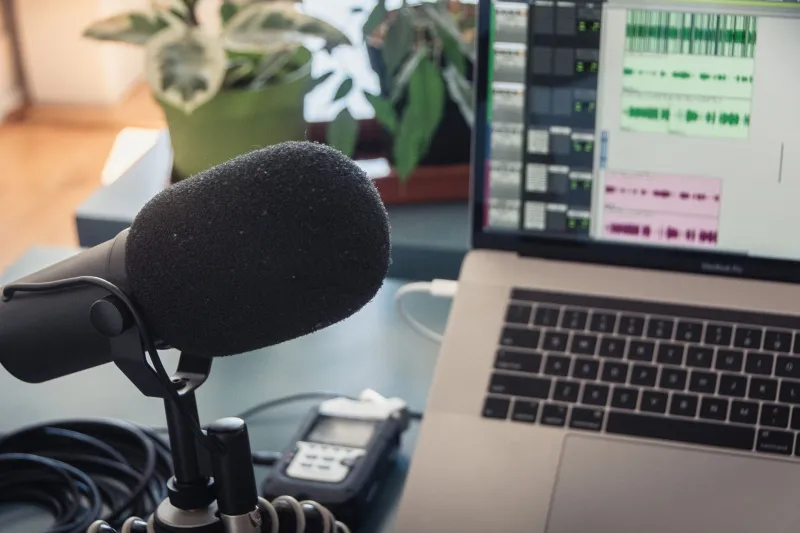
It would be incomplete to talk about this genre revolution without acknowledging what's made it technically feasible. The democratization of production tools means that an artist in their apartment in Atlanta can authentically incorporate production elements that once required specialized studios and session musicians.
Software instruments, sample libraries, and AI-assisted production tools have essentially given independent artists access to the full palette of global music — drum patterns from Lagos, string arrangements that evoke classical traditions, synthesizer textures from Berlin electronic music. The barrier to incorporating these elements authentically has dropped significantly.
That said, the artists doing this most successfully are also putting in the work to understand the cultural and musical context of the sounds they're borrowing. There's a meaningful difference between thoughtful incorporation and surface-level appropriation, and audiences — especially younger, globally connected ones — are pretty good at sensing which is which.
Authenticity as the North Star
If there's one throughline in every successful genre pivot story, it's this: the artists who resonate are the ones who can answer the question "why?" convincingly.
Why does this sound make sense for you? What's the genuine connection between your new direction and who you've always been as an artist? When that answer is clear — even if it's just felt rather than articulated — listeners pick up on it. When it's absent, even technically impressive work can feel hollow.
The most exciting thing about where independent music is headed in 2024 is that the conversation has shifted from "what genre are you?" to "what are you trying to say?" That's a much more interesting question. And the artists willing to chase the honest answer to it, regardless of where it leads them sonically, are the ones making the music that's going to matter.
The genre walls didn't just come down. Artists built something better in their place.