When Creative Chemistry Becomes Creative Chaos: Knowing Who to Work With (and When to Walk Away)
The Excitement Trap
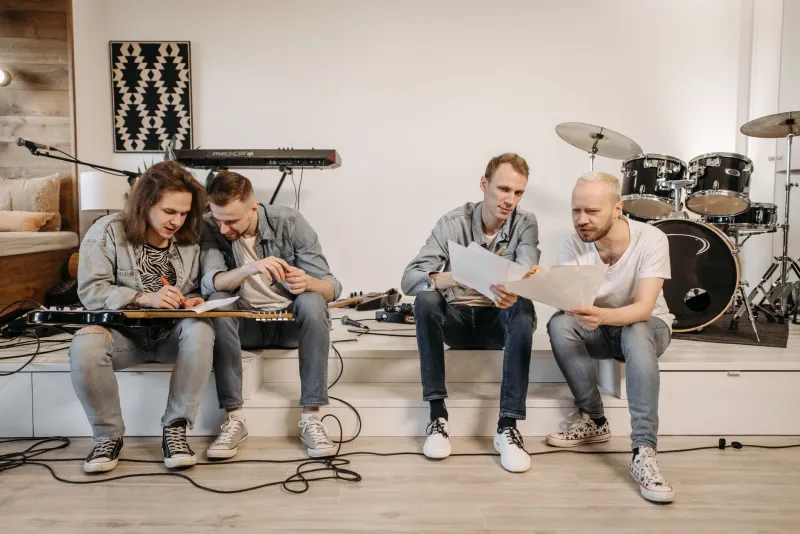
There's a particular kind of energy that hits when you meet another creative who just gets it. The conversation flows, the ideas start bouncing, and suddenly you're sketching out a project together before you've even finished your coffee. It feels like magic. And sometimes it is.
But sometimes it's just chemistry masquerading as compatibility.
This is what I'd call the collaboration paradox — the fact that the people who light you up creatively aren't always the ones who actually help you make better work. In fact, the most energizing creative connections can sometimes be the most derailing ones. You spend six months deep in a partnership only to surface with a half-finished project, a fractured relationship, and a vague sense that your original vision got lost somewhere in the middle.
So how do you tell the difference before you're already in too deep?
Synergy vs. Momentum: They're Not the Same Thing
Here's a distinction worth sitting with: creative synergy and creative momentum are two very different forces. Synergy is the spark — the feeling that two people together can produce something neither could alone. Momentum is the sustained energy that actually gets a project to the finish line.
A lot of collaborations are heavy on synergy and light on momentum. The initial brainstorm is electric, but when it comes time to actually execute, things stall. Decisions get revisited. Creative direction shifts constantly. One person's enthusiasm becomes another's anxiety.
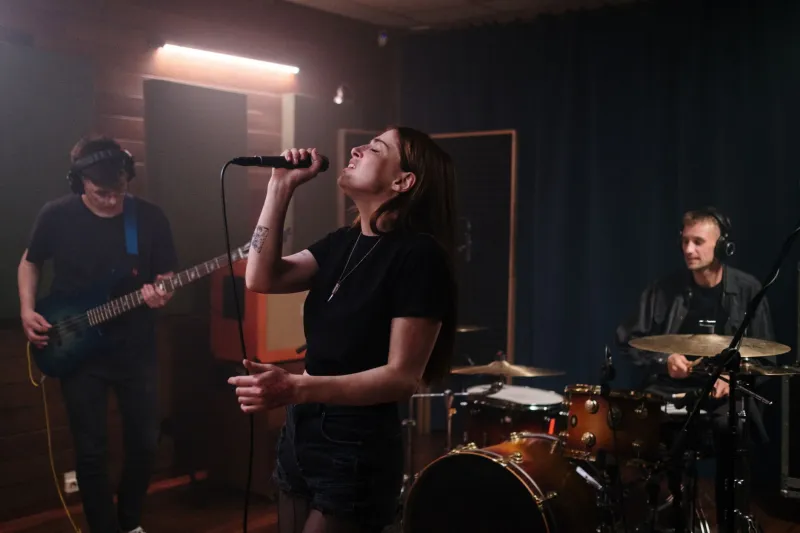
Musicians who've worked in bands or co-writing rooms know this dynamic well. You can have incredible chemistry with someone in a session and still find that your working styles are fundamentally incompatible. One person needs structure; the other thrives in chaos. One person is ready to call a track done; the other wants to keep tweaking forever. Neither approach is wrong — but together, they can grind a project to a halt.
Before you commit to a collaboration, it's worth asking: do we have synergy, momentum, or both? Because you really need both.
Questions Worth Asking Before You Say Yes
The best framework for evaluating a potential creative partner isn't complicated — it's just honest. Here are a few questions that can save you months of frustration:
What does this person do when a project gets hard? The early stages of collaboration are almost always fun. The real test comes when you hit a wall — a creative disagreement, a missed deadline, a technical problem that threatens the whole thing. Pay attention to how someone handles friction. Do they problem-solve or do they disappear?
Are they adding to your vision or replacing it? There's a meaningful difference between a collaborator who expands what you're trying to say and one who gradually redirects the project toward their own priorities. Great partners challenge your ideas without hijacking them. If you find yourself constantly defending your creative choices or feeling like your original concept is being diluted, that's a signal worth taking seriously.
Do their timelines match yours? This one sounds practical, almost boring — but it's responsible for more failed collaborations than any creative disagreement. If you're working toward a specific release window and your collaborator treats deadlines as suggestions, the mismatch will eventually become a crisis.
What does their track record look like? Not in terms of fame or follower count, but in terms of actually finishing things. Ask around. Have they completed projects with other people? Do past collaborators speak well of the experience? A creative portfolio tells you what someone can make. Their collaboration history tells you what it's like to make it with them.
When the Distraction Is the Whole Point
Now, here's where it gets a little more nuanced. Not every collaboration needs to be a straight line toward a finished product. Some of the most valuable creative relationships are the ones that pull you sideways — that introduce you to new techniques, new genres, new ways of thinking about your own work.
A session musician who spends a week working with a jazz composer they met at a festival might not walk away with a finished record. But they might walk away with a new relationship to rhythm, or a melodic idea that quietly shapes the next three years of their solo work. That kind of productive distraction has real value, even if it doesn't show up in a streaming release or a portfolio piece.
The key is intentionality. Know what you're walking into. If you're entering a collaboration with clear deliverables and a deadline, treat it like one. If you're entering an exploratory creative exchange with no specific output, treat it like that instead. The problem isn't distraction — it's mislabeling distraction as productivity.
Recognizing a Failed Partnership Early
One of the hardest things to do is acknowledge that a collaboration isn't working while you're still in the middle of it. By the time most people admit the partnership has derailed, they've already invested enough time and emotional energy that walking away feels like failure.
But here's the thing: staying in a collaboration that's pulling your work in the wrong direction isn't loyalty. It's just sunk cost.
Some early warning signs that a partnership might be heading off the rails: your individual creative output has slowed significantly since the collaboration began; you feel like you can't make decisions without the other person's input even when you should; the communication has become more exhausting than the creative work itself; or you've started to feel vaguely resentful of the project.
None of these signs mean the other person is a bad artist or a bad person. They might just mean the fit isn't right.
Building a Collaboration That Lasts
The partnerships that actually work — the ones that produce lasting creative output and leave both people feeling good about the experience — tend to share a few qualities. There's clarity about roles from the beginning. There's a shared understanding of what success looks like. There's mutual respect for each person's creative instincts, even when they diverge. And there's a foundation of trust that makes it safe to be honest when something isn't working.
That kind of collaboration doesn't happen by accident. It's built, intentionally, from the very first conversation.
So the next time you feel that electric spark with a potential creative partner, let yourself enjoy it — and then slow down just enough to ask the right questions. The best collaborations aren't the ones that feel the most exciting at the start. They're the ones that still feel worth it at the end.