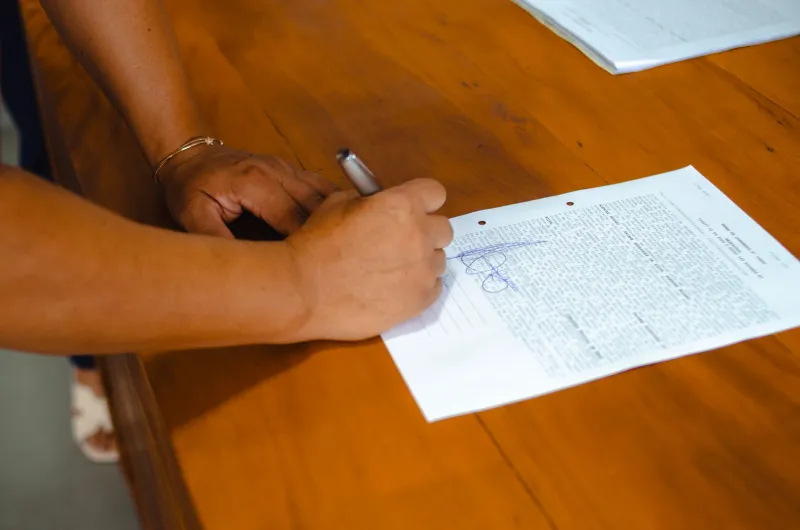
Split Sheets, Royalty Cuts, and Creative Control: The Collaboration Agreement That Actually Has Your Back

Let's be real for a second. The moment someone pulls out a contract in a creative session, the vibe shifts. People get weird. The producer who was just vibing with you on a beat suddenly has their arms crossed, and the featured vocalist you've been texting for weeks starts asking if they need a lawyer. Nobody wants that energy. But here's the thing — the right collaboration agreement doesn't kill the creative momentum. A badly written one does.
The goal isn't to protect yourself from the people you're working with. It's to protect the relationship itself by making sure everyone walks away knowing exactly what they agreed to. So let's talk about what actually matters in these agreements, without drowning you in legalese.
The Split Sheet Is Not Optional — Ever
If you only do one thing before recording with someone, make it this: fill out a split sheet. This is the document that spells out who wrote what and what percentage of the song each contributor owns. It sounds basic, but you'd be surprised how many tracks get shelved, disputed, or just never monetized properly because nobody nailed this down upfront.
For a typical collaboration between a producer and a vocalist/songwriter, a common starting point in the US is a 50/50 split — producer owns half the composition, songwriter owns the other half. But that's just a starting point. If the producer brought the full instrumental and the vocalist wrote every lyric and melody, some people argue the split should reflect that creative weight differently. Others say the producer's contribution to the final sound justifies an equal share regardless.
There's no universal right answer, but the conversation needs to happen before the session ends, not six months later when the song starts getting streams.
Master vs. Publishing: Know the Difference Before You Sign Anything
One of the most common points of confusion in music collaboration deals is the difference between master rights and publishing rights. These are two separate revenue streams, and mixing them up can cost you real money.
Master rights refer to ownership of the actual recording — the audio file you made in the studio. Whoever owns the master collects revenue from streaming, licensing, and sync deals on that specific recording.
Publishing rights relate to the underlying composition — the melody, lyrics, and chord structure. Publishing income flows from performance royalties (think radio play, live performances), mechanical royalties (physical and digital reproductions), and sync licensing (TV, film, ads).
When you're working with a producer, especially one who's offering you a beat lease or a full buyout, you need to understand which of these rights you're actually acquiring. A beat lease might give you permission to release the track but leave the producer holding master rights. A full buyout might transfer master ownership but leave publishing split. Read the fine print, and if there isn't any fine print, write some.
The Creative Control Clause Nobody Talks About
Here's a scenario: you and a producer make something together, it starts getting traction, and then they want to pitch it to a brand you'd never associate yourself with. Or they want to release a remix you hate. Or they decide to license the instrumental to someone else entirely.
This is where a creative control clause becomes your best friend. This section of your agreement should spell out:
- Who has final say on licensing decisions
- Whether either party can release alternate versions without mutual consent
- How sync licensing opportunities get approved (and what happens when one party says yes and the other says no)
- Whether the producer can use the beat in other projects while you're still actively promoting yours
Creative control clauses don't have to be adversarial. Frame them as decision-making processes. Something like: "All licensing opportunities above $X require written approval from both parties within 14 days." That's not aggressive — it's just organized.
Featured Artists Are a Whole Different Conversation
When you bring in a featured vocalist or musician, the contract dynamic shifts again. Featured artists are often compensated in one of a few ways:
- A flat fee — they get paid upfront, no ongoing royalties
- A royalty percentage — they take a cut of streaming and sales revenue
- A publishing split — if they contributed to the songwriting, they get a piece of the composition ownership
- Some combination of the above
The right structure depends on how significant their contribution was. If a featured artist wrote their own verse and hook, they probably have a legitimate claim to publishing credit. If they showed up, sang a melody you wrote, and left in two hours, a flat fee might be the cleaner arrangement for everyone.
Either way, put it in writing. A simple one-page featured artist agreement that outlines compensation, credit (how their name appears on the release), and whether they have any approval rights over the final mix is enough to avoid 90% of future headaches.
Revision Rights and the "I Don't Like This Anymore" Problem
This one's sneaky. What happens when the song is done, released, and one collaborator decides they want to pull it, change the mix, or re-record their part? Without a clause addressing this, you're in murky territory.
Consider including language around:
- Finalization agreements — once both parties approve the final master, neither can demand changes without mutual consent
- Withdrawal rights — under what conditions, if any, can a collaborator request the song be taken down
- Modification rights — who can authorize remixes, edits, or alternate versions
This isn't about distrust. It's about preventing a situation where someone has a bad day, gets into a disagreement with you about something unrelated, and suddenly wants their verse pulled from your album two weeks before release.
Keep It Human, Keep It Signed
The best collaboration agreements are the ones that don't feel like weapons. They're more like a shared understanding written down so nobody has to rely on memory six months from now. You don't need a 40-page document drafted by an entertainment attorney for every session (though for major deals, please do get a lawyer). For most independent projects, a clear, plain-language agreement covering ownership splits, revenue rights, creative control, and featured artist compensation is enough.
There are solid templates available through organizations like the Volunteer Lawyers for the Arts or platforms like ASCAP and BMI that can give you a starting framework. Customize from there based on your specific situation.
The creative work is the fun part. The paperwork is just how you make sure the fun part lasts.