Digging Through the Paper Trail: How a Creative Contract Audit Could Change Everything
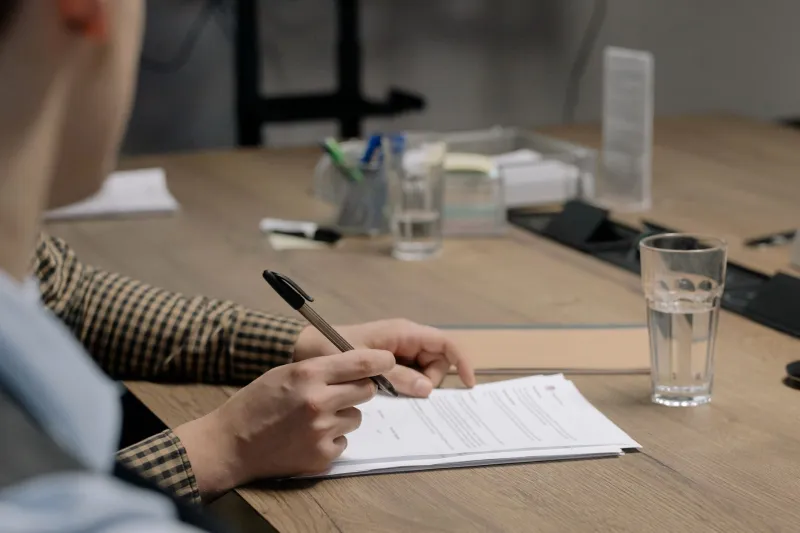
Somewhere in your email inbox — probably buried under a thousand newsletters and a few forgotten Spotify pitch forms — there's a contract you haven't thought about in years. Maybe it's a split sheet from a collab that went nowhere. Maybe it's a production agreement you signed when you were just grateful someone wanted to work with you. Maybe it's a management deal that technically never expired.
And here's the uncomfortable part: those documents are still active. Still legally binding. Still shaping what you can and can't do with your own work.
A creative contract audit is exactly what it sounds like — going back through every agreement, handshake deal, or scribbled-on-a-napkin arrangement you've ever made and figuring out what you actually agreed to. It sounds tedious. It kind of is. But the things people find when they do this? Wild. We're talking unclaimed royalties sitting in accounts they didn't know existed, rights they inadvertently handed over, and revenue splits that were never properly registered with a PRO.
So let's talk about how to do this properly.
Start With a Full Inventory — No Exceptions
Before you analyze anything, you need to know what you're working with. Pull everything. Old emails, Google Drive folders, Dropbox archives, your physical files if you kept any. You're looking for:
- Split sheets (even partial or informal ones)
- Producer agreements or beat licensing contracts
- Management or representation agreements
- Label deals, whether with a major, indie, or even a small local label
- Publishing agreements or admin deals
- Sync licensing contracts if your music has been placed in film, TV, or ads
- Collaboration MOUs or letters of intent
- Distribution agreements with platforms like DistroKid, TuneCore, CD Baby, or direct label deals
Don't skip anything because it seems minor. A beat you bought for $50 in 2018 might have had terms attached that limit how you can monetize that song commercially. A feature you did for a friend's EP might have included a clause about future use of the recording.
Read for These Five Things Specifically
Once you have everything gathered, you're not reading for general vibes. You're scanning for five specific things that tend to cause the most problems down the line.
1. Term and termination clauses. How long does this agreement last? Does it auto-renew? Some management contracts, for example, include clauses that extend automatically unless you send written notice 30 or 60 days before the end date. Miss that window and you're locked in for another year.
2. Ownership language. Who owns what? This is especially critical in producer and co-writer agreements. Look for phrases like "work for hire," "all rights reserved," or "assigns all intellectual property." These aren't always red flags — sometimes they're appropriate — but you need to know when they apply to your work.
3. Revenue splits and how they're registered. A split sheet means nothing if the splits were never actually registered with ASCAP, BMI, or SESAC. If a song you co-wrote has been generating performance royalties and the registration was done incorrectly — or only in one person's name — you may have uncollected money sitting there right now.
4. Exclusivity clauses. Some agreements include language that restricts you from working with other people in certain capacities. A producer might have an exclusivity clause. A management deal might prevent you from signing with a publisher independently. These can quietly box you in without you realizing it.
5. Reversion rights. In some contracts, especially older recording or publishing deals, there are provisions that allow rights to revert back to the creator after a certain period of time or under certain conditions. A lot of artists don't know to look for these — and miss the window to reclaim ownership.
Real Scenarios Worth Learning From
This isn't hypothetical territory. These situations come up constantly in the independent music world.
Imagine you co-wrote a song five years ago with a producer you met through a mutual friend. You did a quick split sheet, agreed on 50/50, and moved on. The song ended up on a playlist, got some traction, and has been quietly generating streaming royalties. But the producer registered the song under their PRO account only — meaning 100% of performance royalties have been going to them. You had no idea because you were never registered as a co-writer on that specific work.
Or picture this: you signed a distribution deal early in your career that included a clause giving the distributor a percentage of "all revenue derived from the master recordings." At the time, you thought that just meant streaming. But that language could extend to sync placements, YouTube Content ID claims, and licensing deals — depending on how the contract is interpreted.
These aren't horror stories designed to scare you. They're common. And they're fixable — but only if you know they exist.
What to Do When You Find a Problem
First, don't panic. Finding an issue doesn't mean you're legally trapped with no options. Here's a reasonable path forward:
Document what you found. Screenshot it, note the page number, write down the specific clause. You want to be precise when you bring it to someone else.
Talk to an entertainment attorney. This is non-negotiable for anything significant. Many entertainment lawyers offer initial consultations, and some work on a flat-fee basis for contract review. Organizations like Volunteer Lawyers for the Arts (VLA) provide free or reduced-cost legal services to qualifying artists across the US — worth looking into if budget is a concern.
Contact your PRO directly. If you think royalties have been misregistered or you're missing from a song's registration, reach out to ASCAP, BMI, or SESAC. They have processes for addressing registration disputes and correcting records.
Reach out to the other party. Sometimes a simple conversation resolves things. If a split was never properly registered, the other person might be totally willing to fix it. Assuming bad intent before having a conversation usually makes things messier than they need to be.
Build a System So This Doesn't Keep Happening
The audit itself is a one-time (okay, maybe annual) thing. But the bigger shift is building habits that keep your paperwork clean going forward.
Create a single folder — digital or physical, whatever you'll actually use — where every agreement lives. Date everything. Register splits with your PRO as soon as a song is finished, not when it gets released. And before you sign anything new, give yourself 48 hours minimum to read it without the excitement of the moment clouding your judgment.
Your past self signed those agreements. Your present self gets to understand them. And your future self will thank you for cleaning it all up now, before something important is on the line.
The paper trail tells the story of your career in a way your discography can't. It's worth knowing what it actually says.